Springfield Concrete Retaining Wall
Licensed and insured · Serving Springfield, MA
Call (413) 547-4797Gravity has never lost an argument in this valley, and if your backyard slopes toward the house, you already know it.
A concrete retaining wall is how we settle that argument, and we build them all over Springfield, from the hills off Sumner Ave to Sixteen Acres, East Longmeadow and out past the Big E grounds. My crew digs a real footing below frost, backfills with clean stone and pipes the water somewhere useful, because retaining wall drainage is what keeps a wall standing after five or six New England freeze thaw winters. Skip it and the wall leans like a Friday night at the X.
Here's what we won't do. We won't show up at four when we said ten, we won't let your call ring into voicemail, and we won't leave your lawn looking like a quarry.
Below I've laid out how the work is actually done, what changes the price, the different builds we do and the questions folks ask us most. If you'd rather just talk it through, call me at (417) 464-6822 and I'll come stand in the yard with you.
Block Retaining Wall
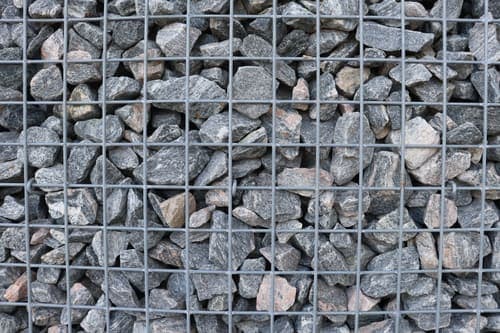
A block retaining wall lives or dies on the part you can't see. We dig back to undisturbed soil, lay six to twelve inches of compacted processed gravel, and then spend most of the first day fussing over the first course, because a base course off by a quarter inch is off by two inches by the time we cap it. Behind the block goes a foot of three-quarter crushed stone and a perforated pipe daylighted at the low end. Skip that retaining wall drainage and the first soggy March thaw shoves the whole concrete retaining wall out into the yard, leaning like the Tower of Pisa. Ask any of us concrete contractors in Springfield what we get called to rebuild, and it's that. Forty feet at four feet tall takes my crew three to four days, longer once geogrid goes in.
Concrete Block Retaining Wall
A concrete block retaining wall is what we build most often on the sloped lots around Forest Park, and the part that decides whether it lasts is buried before you ever see a block. We dig down, compact six inches of process stone, and bury the first course so the wall has something to lean into. Behind it goes 3/4 inch clean stone, filter fabric, and a perforated pipe daylighted out the low end, because retaining wall drainage is what quits first when water freezes back there in February. Over four feet we run geogrid into the hill every other course. A forty foot run is usually three days for us.
Most concrete contractors in Springfield will tell you the blocks are the easy part. They're right. Bowed faces and stair-stepped caps are a base problem nearly every time.
Concrete Wall
A concrete wall only ever fails in one direction, and it's always toward the patio you just paid for. Water does that, not soil. A sloped yard off Sumner Ave soaks up a March thaw, the ground behind the wall turns to soup, and the pressure on that face roughly doubles overnight.
So retaining wall drainage is most of what we're really building back there: washed stone against the face, perforated pipe set on grade with an outlet that actually daylights somewhere, and filter fabric so silt doesn't choke the whole system by year three.
Skip that and no amount of concrete saves you. I've watched a concrete retaining wall lean out a good three inches over two winters because somebody backfilled with the same clay they dug out. As concrete contractors in Springfield, we set footings below frost, four feet down, every time.
Cinder Block Retaining Wall
A cinder block retaining wall only works if somebody fills it. Hollow CMU stacked dry looks fine in October and starts leaning by April, because the ground here freezes down around four feet and pushes on anything hollow. So we set the footing below frost, run vertical rebar up through the cores, and grout them solid. Then the back gets crushed stone and perforated pipe, because retaining wall drainage is what actually holds the wall up. Water is the villain in every one of these stories.
We'll parge the face or veneer it with stone if you'd rather not stare at gray block from the kitchen window. Most walls under four feet take us a few days, longer if we're digging out an old failed one first. It's the plainest wall we build, and honestly one of the toughest when it's done right.
Interlocking Concrete Block
Interlocking concrete block is what I reach for most on the sloped backyards around Forest Park and Sixteen Acres. The blocks lock together with a lip or a pin, so each course steps back into the hill instead of standing straight up, and no mortar is involved. What holds it is underneath: a compacted base of three quarter inch crushed stone, then clean stone and perforated pipe behind it so retaining wall drainage has somewhere to go. Skip that and the first February thaw shoves the courses out of line like a bad row of teeth. Above about four feet we tie geogrid back into the slope every couple of courses. A thirty foot block retaining wall is usually three or four days for us. Plenty of concrete contractors in Springfield can stack block; the base is where it's won or lost.
Interlocking Concrete Blocks Retaining Wall
An interlocking concrete blocks retaining wall goes up dry, no mortar, each course locking into the one below with a built in setback so the wall leans back into the hill instead of out toward your lawn. We start with a compacted base of three quarter inch crushed stone, usually six inches deep, because a course laid on soft ground in April will be a wavy mess by the time the leaves turn. Behind the block goes clean drainage stone, filter fabric and a perforated pipe daylighted out the low end. Skip that retaining wall drainage and hydrostatic pressure will push the whole thing over one freeze at a time.
What moves the price is height, block style, how much geogrid the engineering calls for and whether we can get a machine in.
Most concrete contractors in Springfield will dry stack this in two to four days.
Poured Concrete Retaining Wall
A poured concrete retaining wall is what I put in when the slope is steep, the wall is tall, or you want a clean face with no joints for water to sneak through. We dig the footing below frost, which around here means roughly four feet down, tie in rebar both ways, set forms and pour the stem in one go so there's no cold seam halfway up. Behind it goes three quarter inch stone, filter fabric and a perforated pipe daylighted out the low end, because retaining wall drainage is what holds the hill back, not the concrete. Skip it and pressure bows the wall out like a tired old fence.
Forms come off in a day or two, backfill waits about a week. As concrete contractors in Springfield, that wait is the part we don't rush.
Poured Concrete Walls
Poured concrete walls are the ones we form up on site, rebar tied inside the forms, then fill in one continuous pour so there's no joint for water to sniff out. The footing goes below frost, which around Springfield means digging down close to four feet. Skimp on that and the first hard February will heave the wall out of plumb, and a leaning wall never leans back.
Behind the wall we put crushed stone and a perforated pipe, because retaining wall drainage is what keeps hydrostatic pressure from splitting a concrete wall by the third spring. Height, length, truck access and how much steel the design calls for are what move the price.
Forms usually strip in a day or two. As concrete contractors in Springfield, we let it cure properly before anything gets backfilled against it.
Driveway Retaining Wall
A driveway retaining wall carries weight a garden wall never sees: your car, the oil truck, and whatever the plow shoves against it all February. So we build it differently. Deeper base, usually about a foot of compacted process stone below grade, and the wall set back from the pavement edge so that load isn't parked on the top course. Retaining wall drainage matters even more here, because everything melting off asphalt heads straight for the back of the block. Perforated pipe in clean stone, wrapped in filter fabric, daylighted downhill. Skip it and you'll see the lean by the third spring, no exceptions.
Being concrete contractors in Springfield, we look at the slab and the wall as one job, since they move together. On steep lots we'll often step a block retaining wall in two tiers instead of one tall face.
What the job involves
A concrete retaining wall starts below the ground, which is the part nobody sees and the part that decides whether it's still standing straight in ten years. We dig out the soft soil, set a footing below frost depth, and around here that means going deep enough that a Springfield winter can't lift it. Then a compacted gravel base, rebar or geogrid tied in depending on height, and retaining wall drainage that actually goes somewhere: perforated pipe bedded in clean crushed stone, daylighted out the low end instead of dead-ending behind the wall.
Water is what kills these. Backfill dirt straight against a block retaining wall and it'll belly out by the third spring, no exceptions.
Height, soil type, site access and how much runoff the slope carries are what move the number. Most walls we build as concrete contractors in Springfield run three to six days on site.
What it costs
No two concrete retaining wall jobs price out the same, because no two backyards in Springfield fall the same way. Height moves it most: anything over four feet needs engineering and a permit, and the footing has to sit below our frost line, which means real excavation, not a shovel and good intentions. After that it's length, access for the machine, how much spoil we haul off, and what you're building with. A poured concrete retaining wall costs differently than a block retaining wall stacked from interlocking concrete blocks. Retaining wall drainage is never the place to save, either. Skip the gravel backfill and perforated pipe and hydrostatic pressure will push that wall out by the third spring.
Call us at (417) 464-6822 and we'll walk the slope with you, same as the other concrete contractors in Springfield should but often don't.
Why choose us for this
You've got a slope doing something it shouldn't, and what you actually want is a concrete retaining wall built once, by a crew that finishes, cleans up and gets out of your yard. Not a summer of tarps and orange cones by the driveway.
So here's what we won't do.
We won't say one number on the phone and put a bigger one on the invoice.
We won't start your wall and then disappear to another job across the river for a week.
We won't lean on you to sign today.
We won't leave broken block and washed-out stone on your lawn.
The estimate costs you nothing and you're not on the hook to book anything after it.
We're not the cheapest of the concrete contractors in Springfield you'll talk to. Crushed stone, filter fabric and perforated pipe behind a block retaining wall take real hours, and leaving them out is why walls belly out after three Springfield winters.
Frequently asked questions
How long does a concrete retaining wall last around here?
A well built concrete retaining wall should give you thirty years or more, and the thing that decides it isn't the block, it's what's behind it. We put in three quarter inch clean stone, a perforated pipe wrapped in filter fabric, and a compacted base below frost. Skip the retaining wall drainage and a Springfield winter will do the rest, because saturated soil freezing at 20 degrees pushes harder than any wall was built to hold.
Will the work tear up my yard or my driveway?
Some of it, yes. We need room for the excavator and a spot to stack block, so expect a strip of lawn behind the wall to be disturbed and ruts where the machine tracks. We lay plywood on paved surfaces and rake and seed what we open up. A typical residential job runs three to six working days.
Can a leaning block retaining wall be repaired?
Sometimes. If the lean is under an inch or so and the courses are still tight, we can often pull the failing section, fix the drainage and reset the interlocking concrete block. Once the wall has bellied or the footing has moved, rebuilding is the only honest fix.
How do we get started?
Call me at (417) 464-6822 and I'll come look at the slope. We're concrete contractors in Springfield, so it's usually a same week visit.